
Working as a Gastro Pub Chef with The Chef Tree
A gastro pub offers high-quality food, much of it based on traditional pub grub recipes. A shepherd’s pie may still be on the menu in a gastro pub, but the ingredients may include more exotic meats and a higher grade of potato to form the crust. Fish and chips may be reinvented as a grilled fish entree served with a mixture of fried potato varieties. Classic pub food is usually found in spirit, even if the chef applies his or her gastronomic training to the dish.
The menu of modern gastro or urban pubs may be far more expansive than a typical pub, however. Complex gourmet meals are often served alongside traditional comfort foods at a single table. The cost of these upscale meals can be somewhat prohibitive, leading some critics to describe the restaurants as “gastronomically expensive.” A gastro pub does not compete directly with traditional pubs as much as it offers an alternative for customers who can afford an upgrade – some gastro pubs even seek out an allusive Michelin Star.
In keeping with the public house tradition, many gastro pubs offer alcoholic beverages along with gourmet meals. It would not be unusual to find a microbrewery working out of a gastro pub, for instance. The ambience inside a typical gastro pub is usually that of understated elegance and sophistication, with brass and glass fixtures or an intimate dining room setting and a lounge area featuring soft piano music or a solo vocalist.
Chef Jobs


What skills do you need to work in a gastro pub kitchen?
A chef working in a gastro pub kitchen could have several titles, including head chef, sous chef, chef de partie or specialist chef. Despite the title, some of the same skills and competencies are required, since all professional chefs complete their work in the kitchen to produce the best possible dish for the customer. While a chef’s focus is partially on the customer, it is also on food hygiene and safety in the kitchen.
Multitasking Skills
As with any professional kitchen, the ability to multitask is required to become a chef because a single dish may consist of foods that need to be cooked differently. For instance, a plate may require a piece of protein such as beef, chicken or fish, a salad or serving of vegetables and a side dish of rice, potatoes or pasta. Each component needs to be cooked differently and the chef needs to be able to attend to each component at all times.
Understanding Ingredients, Produce and Spices
A chef must understand different ingredients in terms of texture and taste. This includes green produce and spices. All ingredients in the kitchen may not be properly labelled, so the chef should be able to recognize the ingredient by simply looking at it or briefly tasting it. This is an important skill, especially in a busy kitchen or if the ingredients arrive at the kitchen with no labels on them. Again, this is vital in kitchens aiming for Michelin Star recognition.
Creative Menus
Chefs who are working in smaller restaurants or who work as executive chefs may be responsible for creating the restaurant menu. This is not simply putting ingredients together on paper, but creating dishes that will make customers come to the restaurant for that particular dish. This may be a long process but requires the chef to be familiar with ingredients, food collaborations and wine tasting.
Health and Safety in Food Hygiene
One of the most important skills a chef must obtain is the ability to understand and practice health and safety in the kitchen. This can include putting away knives or kitchen equipment when it is not in use and treating food types accordingly. For instance, the chef should know not to place meat on the same cutting board as other foods, as bacteria from the meat could contaminate other foods, making it a potential safety hazard for restaurant guests. The chef must recognize situations that may be potentially hazardous, such as kitchen towels near a hot stove, as the kitchen can be an active place during the evenings and on the weekends when customers want to experience delicious foods.
How does a gastro pub kitchen run?
Morning
This is all about preparing for the busy day ahead. You’ll need to start by making sure the kitchen is in order and that you have a full inventory of ingredients. You may spend some time sharpening knives and making sure kitchen equipment is in working order.
Afternoon
Lunchtime is the first big rush of the day for most restaurants. Make sure your staff is operating at full effectiveness. If someone didn’t show up for work, or if the orders are coming in too quickly for the staff to handle efficiently, you should step in and help.
Early Evening
This is a chef’s prime time. As with the morning routine, this is all about ensuring the kitchen is ready for whatever the evening has to throw at you. Preparing your food and your staff for the busiest shift of the day is essential.
Closing time
Make sure everything is thoroughly cleaned. Plan the menu for tomorrow, and make any orders for produce and ingredients that you need. Then go home and get some rest. You’re doing all of this again tomorrow!
What type of food do you cook in a gastro pub kitchen?
Gastro pubs tend to elevate the usual pub ‘fayre’ by using different, more unusual ingredients and different cooking methods, sometimes aiming for Michelin Star standards.
What experience do you need to work in a gastro pub kitchen?
Again, this depends on the venue. You will demonstrate a good range of culinary skills, have experience working in a demanding environment, food ordering and food preparation experience and up-to-date food hygiene certificates.
You get to go to different venues, you’re not stuck in the same job endlessly, not boring. You don’t have to go back when you don’t like somewhere and there is a variety of jobs.
Working for The Chef Tree is completely different from being a full-time chef. You choose the hours you want to do, fill in your portal, and everything is arranged around that.
What does The Chef Tree Pay for a gastro pub Chef?
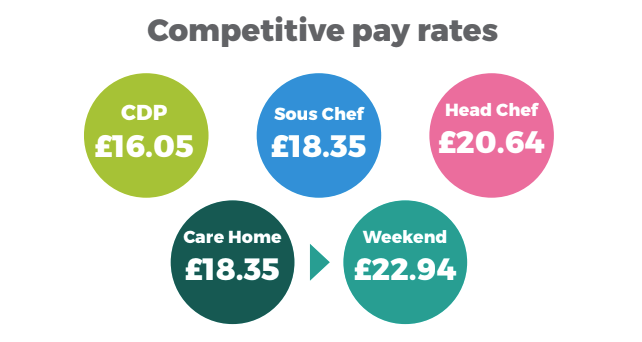
Our rates are dependent on your experience but a CDP can expect to earn £14 p.h, a sous chef, £16 p.h, a Head chef, £18 p.h and an Executive chef or weekend care home chef, £20 p.h.
What are the benefits of working for TCT?
When you join The Chef Tree you will be entitled to the following amazing benefits;
Competitive rates of pay. Our current rate for a cook is £16ph.
Our Monthly Bonus Scheme - Complete 166 hours per month (just under 38.5 hours per week) and you will receive £100 bonus. This will be paid monthly.
Our Refer a Chef scheme – If you refer a chef to us you will receive £150 when the chef completes 5 shifts. The chef you refer will receive £75 on completion of 5 shifts.
Access to our online benefit partners, Pirkx - a benefit scheme for courses, health, wellbeing, shopping and more! For more information visit www.pirkx.com
Where can you work as a Gastro Pub Chef?
What our Chefs say!
I like working for The Chef Tree because of the freedom and the flexibility
You get to go to different venues, you’re not stuck in the same job endlessly, not boring. You don’t have to go back when you don’t like somewhere and there is a variety of jobs.
Working for The Chef Tree is completely different from being a full-time chef
You choose the hours you want to do, fill in your portal, and everything is
arranged around that
Dont just take our word for it
Dont just take our word for it, This is what our chefs say about working for the chef tree
Call us: 071 8604 611