

Introduction to Care Home Chef Jobs
The food and beverage industry in the UK is an exhilarating space teeming with dynamic roles and vibrant opportunities. From eclectic bistros to high-end Michelin-starred restaurants, the culinary landscape is packed with various avenues for chefs to demonstrate their skills and make a name for themselves. However, one unique and enriching career path often overlooked by culinary professionals is working as a chef de partie in care homes.
Care home chef and similar jobs represent a facet of the culinary world that is profoundly impactful and rewarding. In these roles, chefs are not just cooking meals; they are enhancing the quality of life for elderly or infirm residents. The task of preparing nutritious, well-balanced, and appetising meals is a serious responsibility. It is a challenge that requires a unique blend of culinary skills and an understanding of the nutritional needs of residents. This understanding further extends to catering to specific dietary requirements due to medical conditions, making the role even more critical.
The importance of a care home head chef here’s role is magnified by the fact that for many residents, meal times are highlights of their day. It’s not just about sustenance, but also about enjoyment, variety, and the overall dining experience. Chefs in these settings have the power to directly influence residents’ well-being and happiness through their culinary creations.
Furthermore, working as elite super chef team a head chef in a care home also presents an opportunity for the passionate head chef, and experienced head chef, to contribute to a compassionate environment focused on care and community. This adds an emotional depth to the chef manager role that often surpasses the typical sous chef job. The sense of purpose that comes from knowing your skills are directly impacting the lives of others is rewarding on a different level.
In addition to the emotional rewards, care home chef jobs offer a unique platform for culinary creativity and innovation. With the unique dietary needs of residents, chefs are continuously adapting and coming up with creative solutions. It’s a challenging environment, certainly, but one that also helps you grow and expand your skills as a culinary professional.
In this regard, care home chef jobs are a hidden gem within the UK’s culinary landscape. They offer a pathway that promises not just a rewarding career, but also personal satisfaction and the chance to have a work life balance and make a real difference in people’s lives.
The Untapped Potential of Care Home Chef Jobs
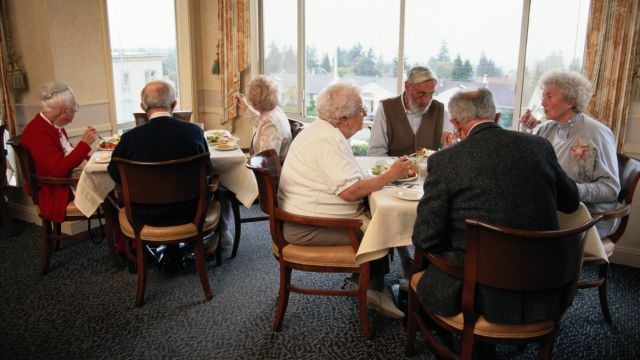
When considering culinary careers, bustling restaurant kitchens, fancy hotels, or personal chef jobs often come to mind. But, there lies an untapped goldmine of potential in an often-overlooked setting – care homes. For chefs who wish to have a more significant impact on people’s lives, and any qualified chef looking to work and for to work in a more personalized and fulfilling environment, care home chef jobs provide an excellent avenue.
The role of a second chef as a care home second chef offers experienced chefs the chance to explore the depth of one’s culinary expertise in a unique environment. Unlike the chaotic nature of restaurant kitchens, care home kitchens provide a more stable and focused setting. Here, the primary responsibility of the home manager and second chef is to provide residents with meals that are not only delicious but also cater to their specific dietary needs.
One of the unique aspects of working in care homes is the close collaboration between chefs, dietitians, healthcare professionals, and care staff. Chefs get to understand nutritional guidelines, allergies, dietary restrictions, and personal preferences in-depth. It’s a rich learning experience that widens your knowledge and enhances your skill set.
Additionally, creativity holds immense value in care home kitchens. With different dietary requirements and preferences, chefs often have to think out of the box to tailor menus. They create nutritious dishes, fresh seasonal food that abide by nutritional guidelines, appeal to the residents’ tastes, and also provide visual delight.
Moreover, the food with the opportunity and chance to interact and build relationships with the residents is an enriching experience. You aren’t cooking for anonymous patrons, but for individuals whose life stories, preferences, and health you are familiar with. This intimate connection can elevate the sense of purpose in your work.
The satisfaction derived from knowing your culinary skills have a direct and positive impact on the resident’s health and happiness is unparalleled. It brings a level of job satisfaction to the kitchen team that is often hard to find in the whirlwind of commercial kitchens.
The untapped potential in care home chef jobs is vast. It allows you to broaden your culinary horizons, hone your skills, deepen your understanding of nutritional and safety requirements in other environments, and find profound fulfillment in your work. If you’re a qualified chef looking to to explore uncharted territories in your career, care home kitchens could be the rewarding frontier you’re seeking.
Unique Challenges and Rewards of Working in Care Homes

Embracing a chef’s role in a care home kitchen presents distinctive trials and triumphs, reshaping the traditional culinary experience. Unlike mainstream kitchens, where taste, aesthetics, and speed dominate, care home settings necessitate a paradigm shift towards nutritional value and bespoke dietary considerations, yielding an enriching blend of challenges and rewards.
Navigating a myriad of dietary constraints owing to health conditions, allergies, or personal tastes, is a predominant challenge. The task to reconcile these guidelines with appealing, flavourful meals demands an exceptional level of creativity and flexibility.
Soft skills gain prominence in care home kitchens. Patience, empathy, and relationship-building capabilities augment culinary expertise, fostering an environment of respect and understanding. This direct influence that chef skills have on residents’ happiness and well-being is deeply rewarding, transcending the ordinary chef’s role.
The rewards are manifold. The satisfaction derived from serving meals, enhancing residents’ quality of life, witnessing their pleasure in meals, and receiving heartfelt appreciation are gratifying experiences, exceeding mere financial remuneration.
Professionally, this setting offers exciting opportunities and immense growth menu development opportunities. Mastering dietary needs, innovating within guidelines, and balancing taste with nutrition enriches your professional standing with good quality food well, equipping you for diverse roles.
In summary, the trials and triumphs in care home kitchens yield professional enrichment and personal gratification, offering a unique career path that harmonises culinary creativity, nutritional acumen, and compassionate care.
Who is a Care Home Chef Job Best Suited For?

Working as a chef in a care home requires a unique blend of culinary expertise, understanding of dietary needs, and interpersonal skills. Given the unique demands of this role, it is not suited for everyone. However, for those with the right combination of skills, attributes previous experience, and mindset, it can be an incredibly rewarding career path.
Firstly, a care home chef must be a competent culinary professional. They need to have a solid understanding of cooking techniques, food preparation, and hygiene standards. While this is a requirement for any qualified chef looking to work, in a care home, there’s an added layer of nutritional understanding needed. Chefs must be passionate chefs capable of preparing meals that are not only tasty but also nutritionally balanced and catered to specific dietary needs.
Secondly, a qualified chef with a high level of creativity and problem-solving skills is vital. Each resident may have unique dietary needs, and being able to create a variety of meals that satisfy these needs while still providing variety and enjoyment requires working alongside a qualified chef who can think on their feet and innovate with ingredients and techniques.
Additionally, a care home chef job is best suited for those who possess strong interpersonal skills. They often interact directly with residents, taking their feedback, understanding their preferences, and occasionally, managing their expectations. The strong ability to communicate effectively and compassionately with residents is a critical aspect of the role.
Moreover, those who find fulfillment in serving others, particularly in a healthcare or caregiving context, will find a care home chef job especially rewarding. There is a strong element of quality and high standards of care and empathy involved in the role. It is a profession that involves contributing positively to the lives of the residents through food.
Lastly work with fresh seasonal food often, a care home chef role is also suited for those seeking stability in their work schedules. Unlike restaurant jobs which often require late nights and weekend work, care home kitchens work with fresh seasonal and typically operate on a regular schedule with alternate weekends, providing a good work-life balance.
In essence, a care home chef job is best suited for culinary professionals with a passion for creating nutritious and cooking fresh seasonal food with the opportunity to produce good quality food itself, a heart for service, strong interpersonal skills, and a desire for a stable work-life balance. It is a challenging but deeply rewarding role, offering the chance to enhance the lives of residents through the power of good food.
What are the Advantages of Working in a Care Home Kitchen Environment?

Working in a care home kitchen offers several advantages that extend beyond the usual perks of a traditional chef job. These benefits can greatly enhance both your professional development and personal satisfaction.
Consistent Work Schedule: Unlike restaurant environments that often require late nights, weekends, and holidays, care homes typically maintain a more regular and predictable schedule. This can provide a better work-life balance, allowing you more time to spend with family and pursue personal interests.
Enhanced Skillset: A care home chef job exposes you to a diverse range of dietary needs and restrictions. This necessitates creativity and a deep understanding of nutrition, enhancing your skillset significantly. The experience gained in a care home kitchen can therefore be extremely valuable for your career progression.
Personal Satisfaction: The direct impact you have on improving the lives of the residents can offer immense personal satisfaction. Knowing that your culinary skills contribute to the well-being and happiness of others adds a level of fulfillment that can be harder to find in other chef roles.
Stable Employment: Care homes are essential services, and the need for professional chefs in these settings is constant. This can provide a level of job security that can sometimes be lacking in the more volatile restaurant industry.
Community Environment: Care homes often foster a strong sense of community. Working in such an environment allows for more direct interaction with the people you are serving, which can lead to rewarding relationships and a greater understanding of the direct impact of your work.
Opportunity for Growth: Many care homes are part of larger networks or organisations, providing opportunities for professional growth and progression within the system. An Experienced Chef can progress into more senior roles or into areas such as menu planning and dietary consultancy.
In conclusion, the advantages of working in a care home kitchen are manifold. From enhancing your culinary and nutritional knowledge to providing personal satisfaction and a supportive community, care home head chef jobs offer rewarding career opportunities that are well worth considering.
Revitalising Your Culinary Journey with Care Home Chef Roles
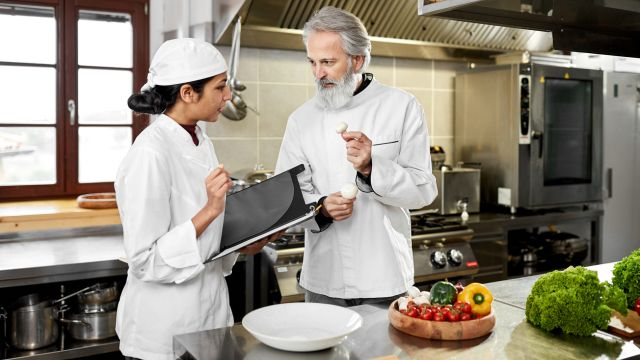
Embarking on a career path as a care home chef may initially seem like a deviation from the conventional culinary route. However, this distinctive choice can offer unique avenues to revitalise your culinary journey and substantially enhance your professional growth.
In a care home setting, the chef’s role extends beyond just creating enticing dishes. It encompasses crafting nutritionally nutritious and balanced meals that cater to specific dietary needs and restrictions. This challenge encourages chefs to work closely intertwine culinary art with nutritional science, paving the way for an expanded and more versatile chef skills’et.
Flexibility and innovation are further key aspects cultivated in a care home kitchen team. Given the diverse dietary requirements and personal preferences of the residents, chefs are continually adapting and innovating. This dynamic environment hones resilience and creativity, creating a chef capable of overcoming various culinary challenges.
The humanitarian dimension of a care home head chef’s role can deeply enrich your career. In this setting, food becomes more than just sustenance or a delight for the senses; it becomes a fundamental component of care and quality of life for the residents. This understanding can instill a deeper sense of purpose and fulfillment in your culinary journey.
The stability and consistency offered by care home chef roles provide a significant advantage, especially for those seeking a more work-life balance and making it between career and personal life, a life balance and make not always achievable in the high-paced restaurant and catering industry itself.
Finally, the skills and experiences garnered in those long weeks in a care home kitchen can unveil new career horizons for passionate chef. Whether it’s stepping into higher roles, branching into nutrition consultancy, or leveraging your unique chef skillset in the competitive culinary arena, the possibilities are vast.
In summary, the role of a care home chef can breathe new life into your culinary career. It provides food with the opportunity for an enriching, challenging, and rewarding pathway that not only enhances your professional skills but also adds profound value to the lives of those you serve.